2026-10-16 ·
How to Check for Hidden Water Damage After Winter Storms on Camano Island
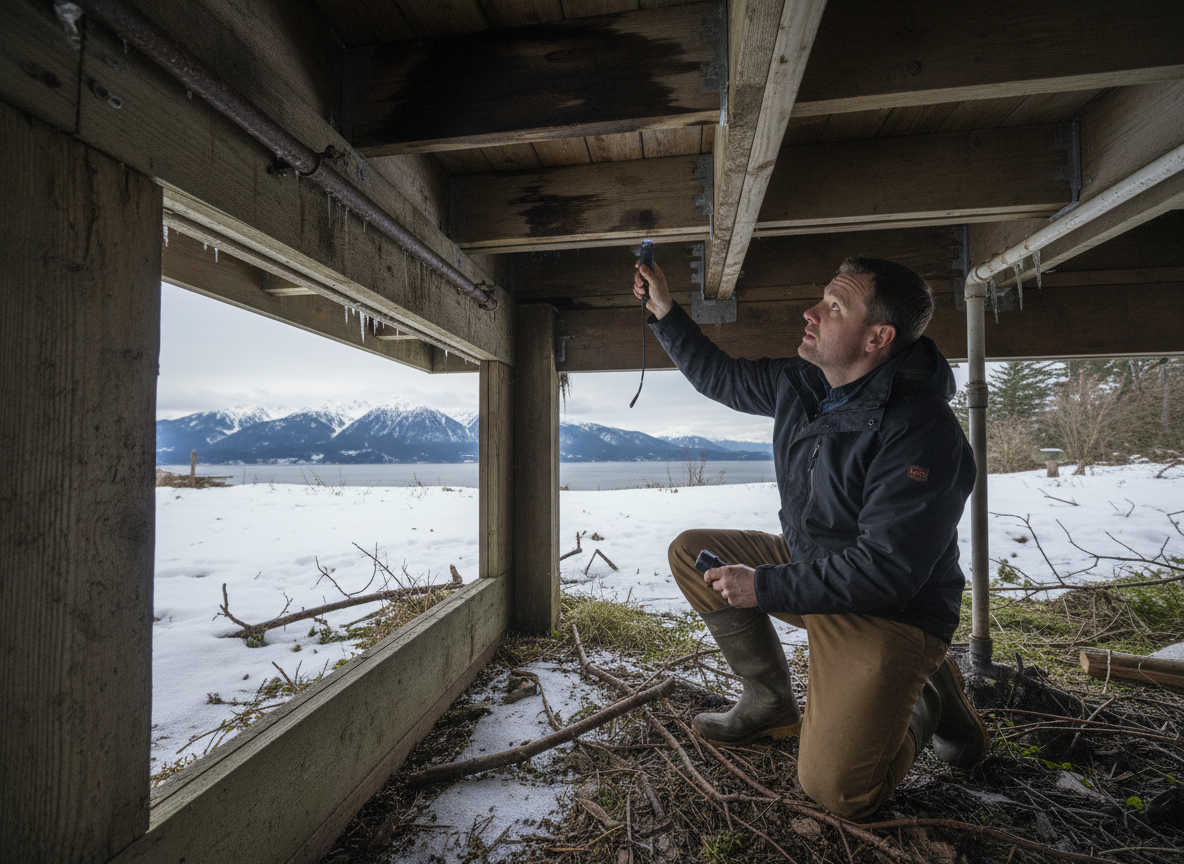
After winter storms hit Camano Island, begin your inspection within 48 hours by walking through the attic, crawl space, and interior walls with a flashlight and moisture meter to locate trapped water before mold sets in. Homes here often feature older crawl spaces and sloped roofs that collect runoff from the surrounding hills, so focus first on seams where wind-driven rain enters.
Inspecting Attics for Roof and Vent Leaks
Camano Island roofs take repeated hits from winter winds that lift shingles and force water under flashing around chimneys and skylights. Climb into the attic on a dry day and shine a light along rafters for dark streaks or soft insulation. Pay special attention to the north-facing slopes where moss grows thickest and holds moisture longest. Check bathroom and kitchen exhaust vents for condensation rings on the sheathing. If you find damp spots, mark them with tape and note the date so you can track whether drying occurs naturally or requires intervention. Older homes near the west side of the island may also show salt residue from coastal spray that accelerates wood rot once water enters.
Examining Crawl Spaces and Foundations
Crawl spaces under Camano Island homes stay damp year-round because the island sits low with clay-heavy soils that drain slowly after storms. Enter the space and scan the underside of the floor joists for white fungal growth or darkened wood along the perimeter. Look for standing water in low spots near the foundation vents, especially on properties close to Stanwood-Camano roads where septic systems can back up during heavy rain. Use a moisture meter on the sill plates and note readings above 18 percent. If insulation is wet or sagging, remove it carefully to allow airflow while you dry the area. Persistent moisture here often travels upward into subfloors and baseboards, creating hidden damage that only appears weeks later as cupping hardwood.
Checking Interior Walls, Ceilings, and Flooring
Winter storms push water through small gaps around windows and doors on Camano Island homes built before 1990. Run your hand along drywall corners and baseboards for cool or soft spots after rain events. Use a moisture meter on the lower two feet of exterior walls in living rooms and bedrooms that face prevailing winds. On ceilings, look for hairline cracks or yellow-brown rings that form when roof leaks travel along rafters. Lift carpet edges in hallways to check the pad for musty smells or discoloration. In kitchens and bathrooms, pull back vinyl or tile at the edges to inspect the subfloor where pipe condensation meets storm-driven humidity.
Testing Plumbing and Appliances After Cold Snaps
Cold snaps following storms can crack pipes in unheated crawl spaces common on Camano Island. Turn on every faucet and run the washing machine through a full cycle while listening for new dripping sounds behind walls. Check the water heater and dishwasher supply lines for corrosion at the connections, especially in homes near Arlington or Marysville where older galvanized lines remain. Feel the floor around toilets and under sinks for spongy areas that indicate slow leaks worsened by storm-related pressure changes. If you notice reduced water pressure or discolored water after a freeze, shut off the main valve and document the issue before further use.
Knowing When Professional Assessment Is Needed
When moisture readings stay elevated after seven days of ventilation or you find more than one square foot of affected insulation, contact a local team for water damage mitigation. Persistent issues in crawl spaces or after septic backups near Stanwood often require equipment that homeowners do not keep on hand. Review the steps in Preventing Pipe Bursts During Cold Snaps on Camano Island to reduce future risk, and compare findings with the guidance in Inspecting for Saltwater Corrosion After High Tides on the West Side of Camano Island if your property sits near the shoreline. Early detection keeps small storm intrusions from turning into larger structural repairs.